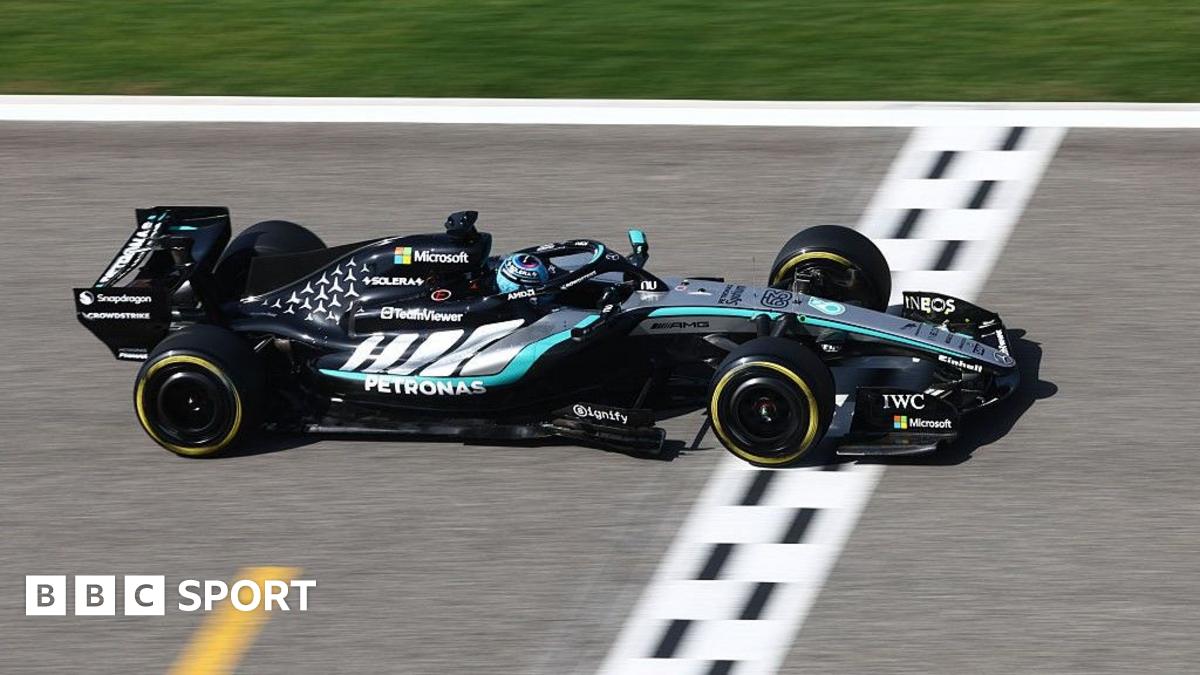
In the high-stakes world of Formula 1, the term sandbagging refers to a strategy where drivers intentionally underperform during testing or qualifying sessions to conceal their true pace. This tactic allows teams and drivers to keep their competitive edge hidden from rivals, potentially gaining an advantage during the actual race.
Sandbagging can involve various methods, such as running with less fuel, using conservative engine settings, or deliberately not pushing the car to its limits. The primary goal is to appear slower than they truly are, thereby discouraging opponents from focusing too much on their performance or preparing for a challenge that might not materialize.
Teams often employ sandbagging during pre-season testing or early qualifying rounds. By doing so, they can analyze data without revealing their full potential, and then unleash their true speed during the race or later qualifying sessions. This strategy can be particularly effective in tightly contested championships, where every fraction of a second counts.
However, sandbagging is a controversial tactic. Critics argue that it undermines the spirit of fair competition and can lead to misleading race expectations. Regulatory bodies like the FIA monitor team behaviors closely to prevent any unfair advantages or rule violations associated with such tactics.
Ultimately, sandbagging remains a strategic element in Formula 1, reflecting the sport's blend of technological innovation, psychological warfare, and strategic planning. Drivers and teams must balance the risks and rewards of this approach, knowing that revealing their true pace at the right moment can be decisive in winning races and championships.
As the sport continues to evolve with new regulations and technological advancements, the practice of sandbagging may adapt as well. Yet, its core purpose—to keep competitors guessing and to maximize race-day performance—remains a fundamental aspect of Formula 1 racing strategy.